
Chapter 1
Kafue November 6
The road between the towns of Kasempa and Mumbwa, with its surface pockmarked by ruts and potholes, like the wrinkles of neglect and the blemishes of aged acne, staggers from here to there, but not much else. Its dusty progress sometimes leans behind a low hill or teeters around a marshy patch. It may even stumble unexpectedly to avoid a freshly fallen tree, pushed over by an elephant, or a recent rut cut into its mud by the wheels of overloaded trucks.
The road reminded Gideon of a few of his red-faced alcoholic friends. Like them, it survives due to decades of experience gained from the dictates of a hard and unsteady life in this remote part of Africa.
“God damn trucks!” he cursed.
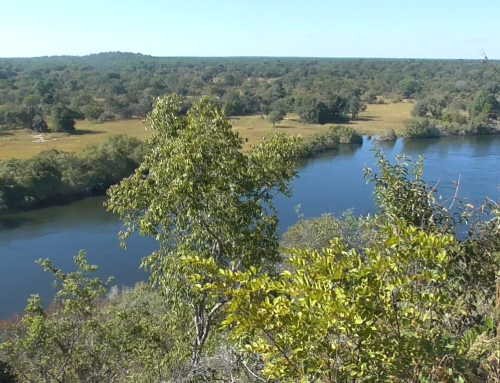
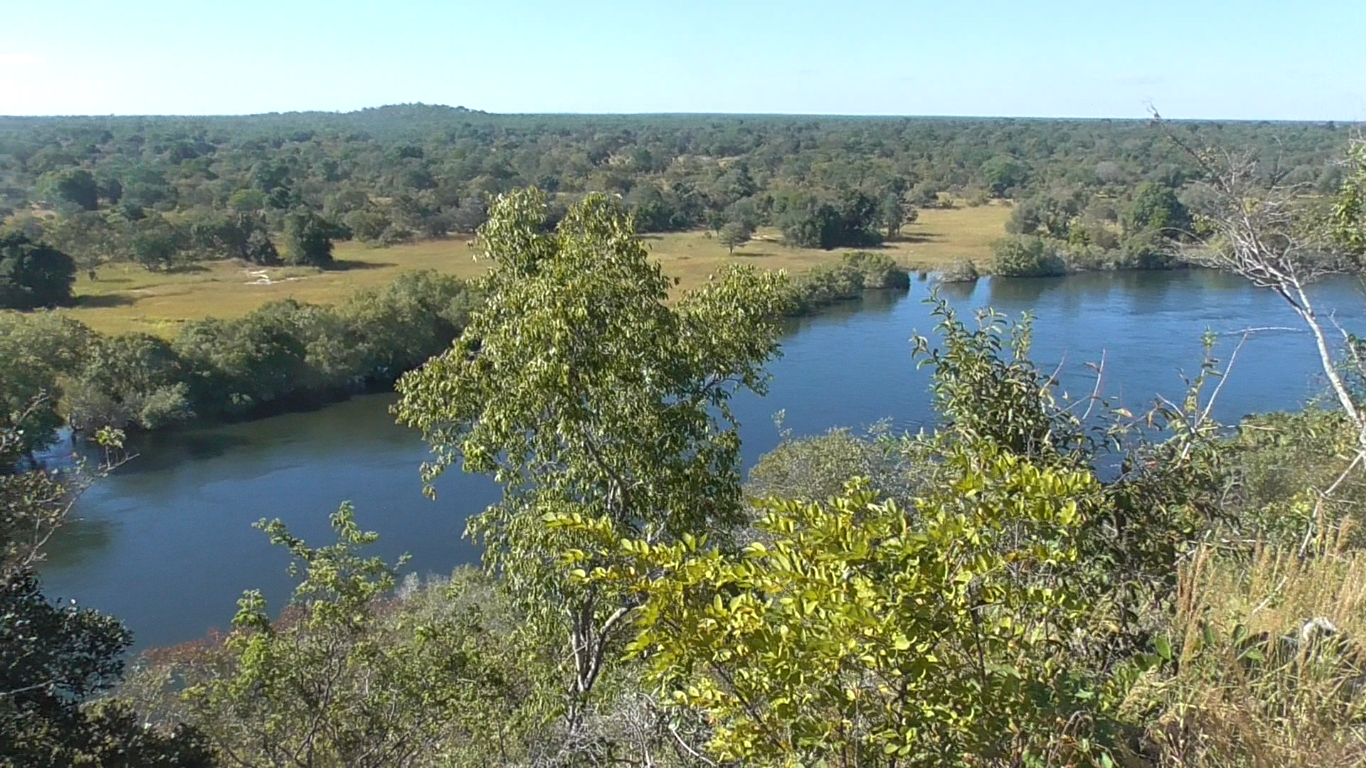
His Toyota Land Cruiser jolted through an especially deep dip. His practiced muscle memory guided his vehicle gingerly between the flaws made by the road’s flimsy construction, and the toll of its abuse. His reflexes allowed slow progress through the thick Bush tucked to the Lee side of a shallow escarpment marking the gradual climb out of the Kafue River Valley, whose wide embrace spreads its arms running from northeast to southwest across the heart of south central Africa.
At the top of the escarpment, pulling up before a pivot barrier across the road, he again exclaimed loudly, “You little bastard,” reacting to the nip of a tsetse fly. He glanced up after slapping his calf, another futile attempt to kill the offending insect. A uniformed guard slowly rose from a wooden chair. He’d been leaning back on its rear legs in the shade of an austere brick guard house set back from the side of the road. The barrier marked the edge of the Kafue National Park, the second largest in Africa.
Beyond the barrier, he could see how the road crested before dipping down under the trees that dappled the surface with their spindly shadows. The post was well placed, being shaded by a copse of elegant mafuta trees. Glancing over his shoulder to check that his equipment was still in place, he saw how the trees spread down the slope into the valley, lifting their canopies like a song on the wind drifting away until its melody spilled over the edge of the horizon.
Watching the guard lazily pick up a big Ledger book, he again slapped at the fly buzzing against the dusty side window. Still smarting from its nip he muttered, “You little bugger, when I catch you I’ll pull off your wings and make you walk.”
The guard, officious in his neat but faded olive green uniform, unhurriedly walked across the compacted dirt between the guard house and the vehicle. Gideon rolled down the window, then leaning back in the seat he nodded a greeting “Muli bwanji.”
“Bwino Bwanji,” the guard responded, his smooth high cheeks echoing the slenderness of his young physique, giving him an elegant, almost indolent air.
Despite this there was an unexpected politeness in his demeanor. He handed the big Ledger through the window. His manner was expressed in the deep tone of his thick accent and the way his Kaonde language morphed his R’s into L’s. The deference was welcome. He was the authority figure here, and in Africa authority matters, no matter how trivial it may seem. From experience Gideon knew that if treated with disrespect it could kick down harshly, and expect to be bowed to unreasonably.
“Where do you come from?” The guard’s question was rhetorical. This was a ritual performed thousands of times daily all over Central Africa, where echoes of its colonial past are still scribbled in the lines and columns of big Ledger books.
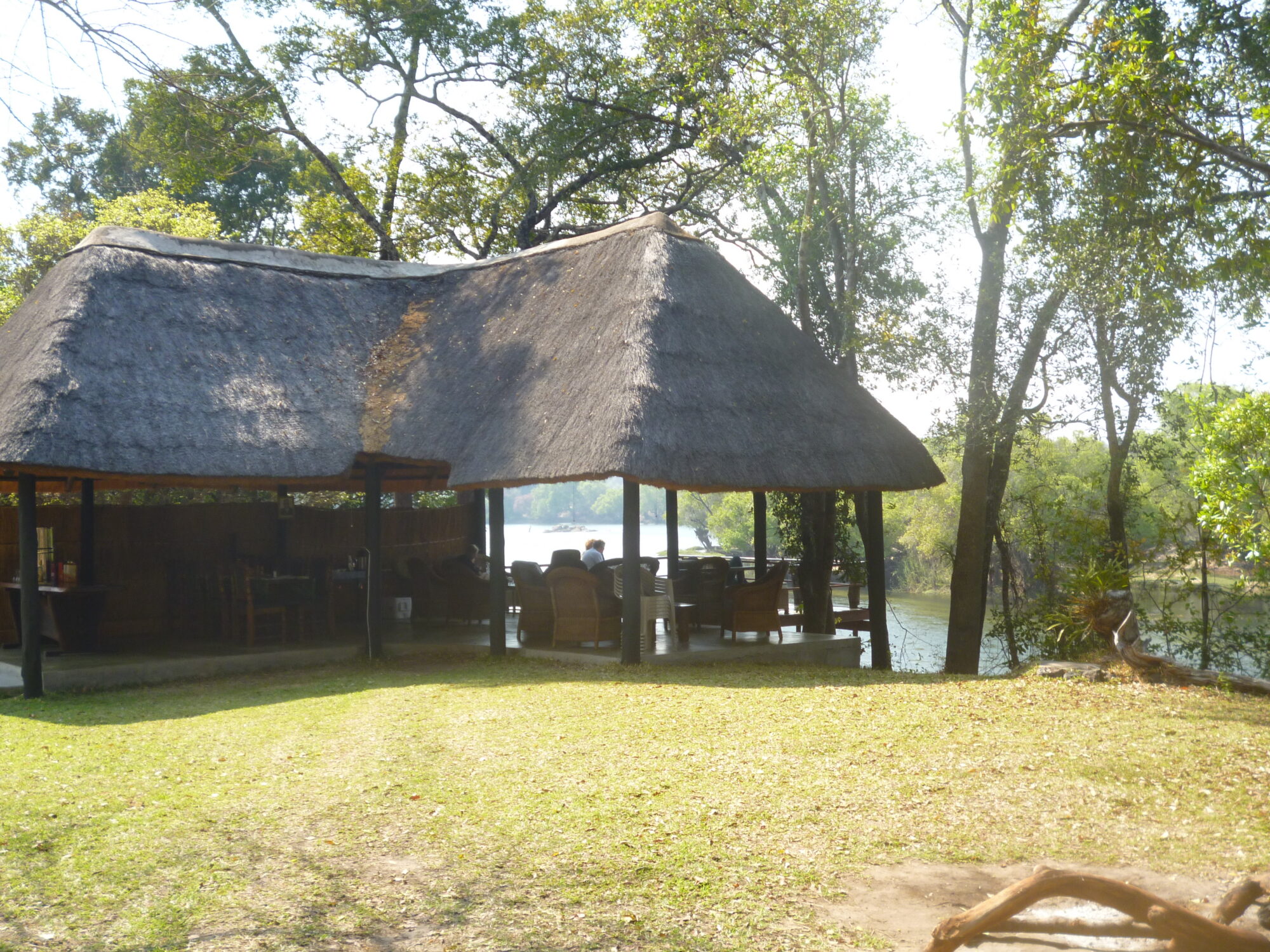
“From Kafue River Lodge,” he replied politely as he filled in details, name, origin, destination, vehicle registration, number of passengers. This a ritual demanded by the headers of the lines and columns on the thick pages of these big books.
Closing its worn cover, Gideon handed the tome back to the guard. He wondered what they did with these things once they were filled with countless scribbles. He knew it was more about a faceless officialdom in a shabby distant administrative center indicating that the arm of authority stretched a logn way out into the bush. It was this reach which made the note in his pocket unusual, with its challenge to uthority.
Watching him return the book to the guard house, Gideon vaguely envied the simplicity of the guard’s life and fit into the place. A generation divided them. The young man probably knew nothing of those long ago British officials who brought the big black books to Africa, and then who’d hastily abandoned their roles as imperial bwanas after a brief appearance on the stage of empire. They left behind those like himself, born and raised on the continent, who were considered neither a true part of the new Africa nor of the old Europe. A generation of vagabonds with a mental suitcase packed and ready if told to move on.
Turning his attention back to himself, he noted the fly had found the open window. From here on he wouldn’t have to choose between the insects, or a sauna in the cab with a non functioning air conditioning. He could drive with windows open. This was the limit of tsetse territory.
As the guard moved across with the unhurried pace of Africa, Gideon took the note out of his pocket and rereadit. Then, with his head out the window he checked that the pole would clear the cruiser’s roof.
He moved the gear shift from neutral to first. He was about to lift his foot from the clutch, when a loud whistle came from the guard house.
Someone shouted, “Iwe, Hey You.”
A second guard appeared from inside the building. Older, plumper than his colleague, he was more affable about the weight of his authority, which seemed to have settled around his midriff.
Allowing a dramatic pause, with a broad smile on his face, but with a serious tone in his voice he shouted, “On the radio, back at your camp,” he took a breath. “Someone has been caught by a crocodile.”